Release paper performance can have a significant impact on manufacturing efficiency, product quality, and production consistency across industrial applications. Selecting the correct combination of coating, substrate, and release characteristics is essential for achieving reliable long-term performance.
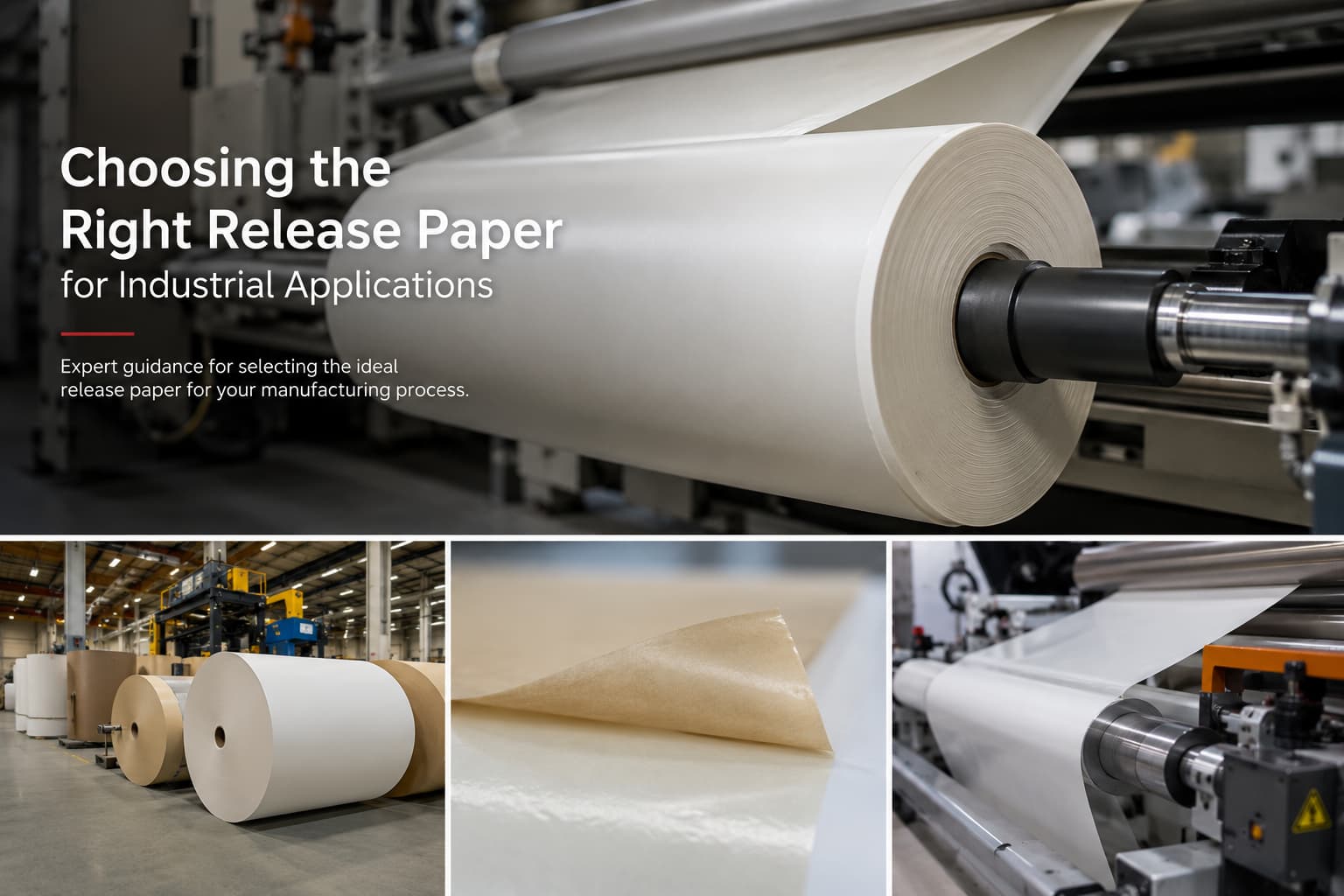
Selecting the correct release paper is critical for maintaining product quality, improving production efficiency, and reducing waste across industrial manufacturing processes.
From food manufacturing and adhesive applications to extrusion, composites, and specialist converting, release paper plays a vital role in ensuring consistent separation performance, surface protection, and process reliability.
However, not all release papers perform the same way. Differences in silicone coatings, substrate materials, release levels, temperature resistance, and application requirements can significantly affect production performance and finished product quality.
Understanding these differences helps manufacturers choose a release paper solution that matches both operational demands and end-product requirements.
What Is Release Paper?
Release paper is a specially treated paper substrate designed to prevent materials from sticking to its surface.
Typically coated with silicone, release paper provides controlled release properties that allow adhesives, coatings, composites, food products, or industrial materials to separate cleanly during manufacturing and processing.
Release papers are commonly used within:
• food manufacturing
• bakery production
• industrial tapes
• labels
• medical applications
• composites
• bitumen processing
• automotive manufacturing
• packaging and converting
The correct release paper helps improve:
• process consistency
• production efficiency
• product protection
• waste reduction
• handling performance
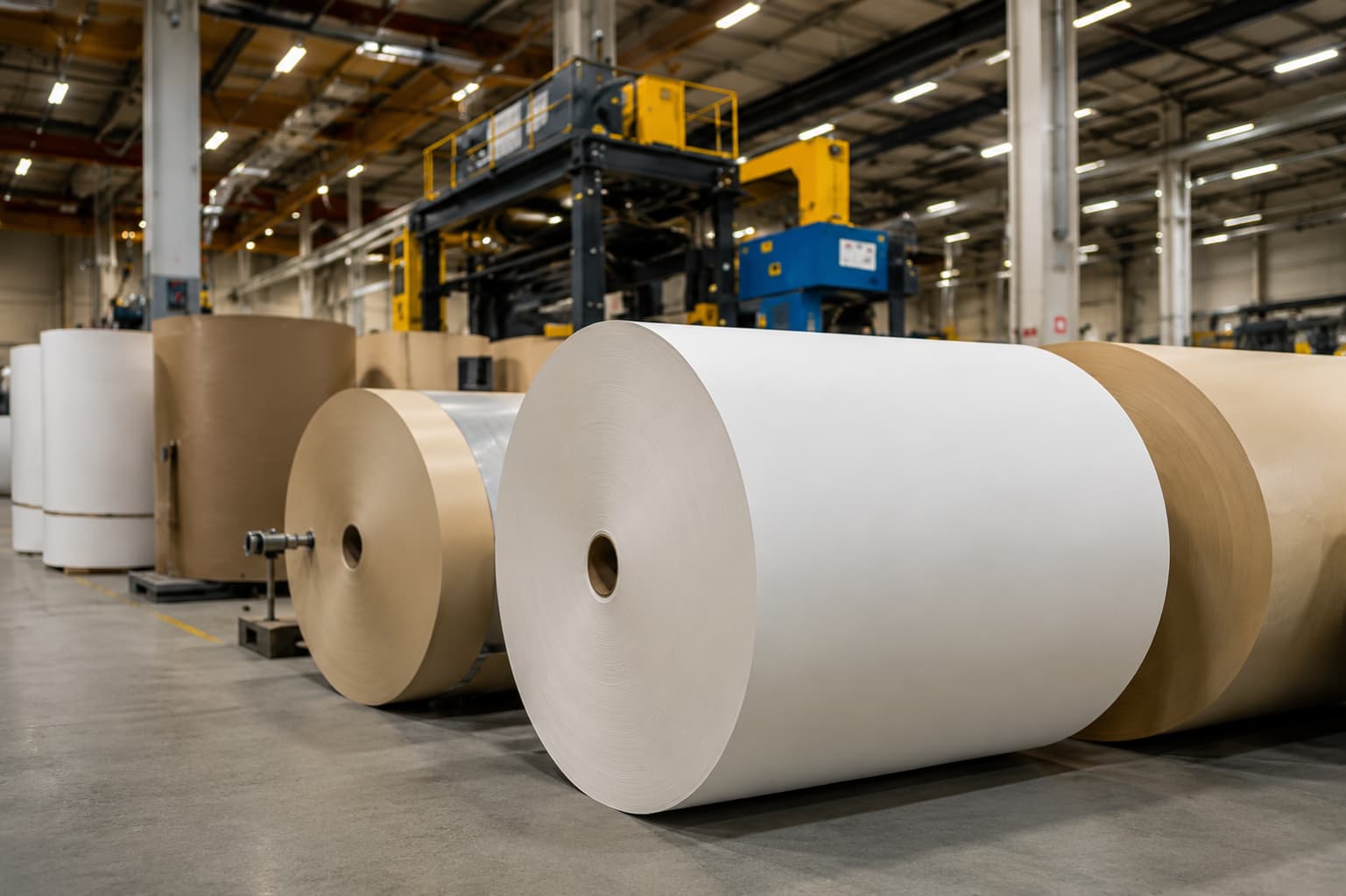
Key Factors When Choosing Release Paper
Silicone Coating Performance
The silicone coating determines how the release paper performs during application and separation.
Different silicone systems can provide:
• easy release
• controlled release
• tight release
• high-speed processing compatibility
• improved temperature resistance
The choice of coating should align closely with the adhesive system, production environment, and processing conditions involved.
Poor silicone compatibility can result in:
• inconsistent release
• transfer issues
• tearing
• contamination
• production downtime
Release Levels
Release force is one of the most important considerations when selecting release paper.
Applications requiring easy product removal may benefit from low-release surfaces, while more demanding industrial processes may require tighter or controlled release characteristics to maintain stability during manufacturing.
Choosing the incorrect release level can lead to:
• material lifting
• product movement
• adhesive failure
• poor handling performance
• excessive waste
Each manufacturing process should be assessed individually to ensure the correct release profile is selected.
Temperature Resistance
Industrial applications often expose release papers to elevated temperatures during processing.
For example:
• bakery and food manufacturing
• extrusion coating
• laminating
• composite curing
• industrial moulding
High-temperature resistance becomes essential where papers must maintain dimensional stability and silicone performance under heat.
Incorrect paper selection may lead to:
• curling
• shrinkage
• silicone degradation
• sticking
• reduced product quality
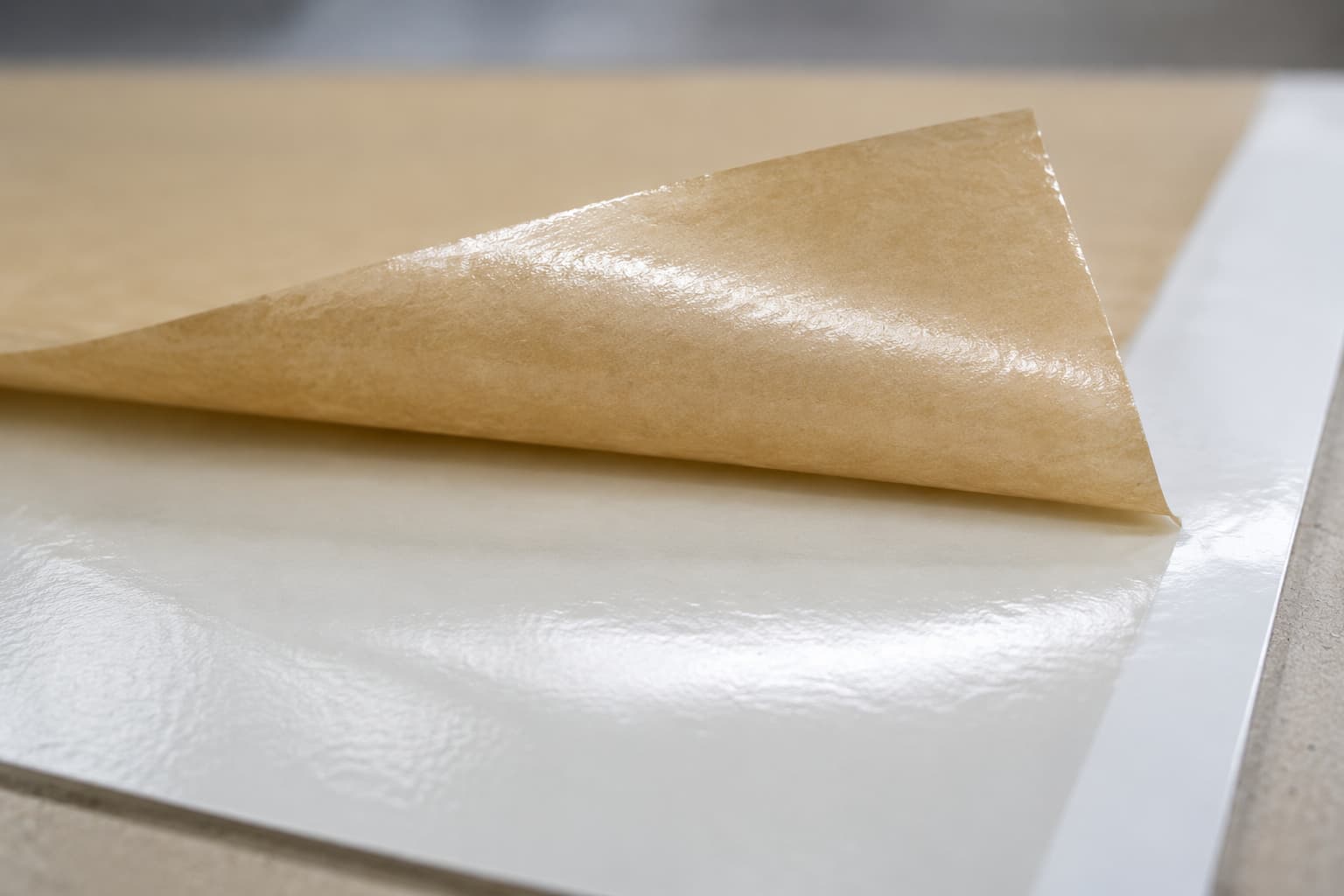
Substrate Selection
The base paper substrate influences strength, flexibility, stability, and surface characteristics.
Common substrate options include:
• glassine papers
• kraft papers
• clay-coated papers
• speciality technical papers
Each substrate offers different performance advantages depending on the intended application.
Factors such as:
• moisture exposure
• grease resistance
• machine speed
• dimensional stability
• surface smoothness
should all be considered during substrate selection.
Adhesive Compatibility
Not all release papers perform equally across every adhesive system.
Adhesive type can significantly affect:
• release consistency
• silicone interaction
• transfer resistance
• overall production reliability
Applications involving aggressive adhesives, specialist coatings, or pressure-sensitive materials often require carefully engineered release solutions to achieve reliable long-term performance.
Testing compatibility under real production conditions is often essential.
Industry-Specific Release Paper Requirements
Different industries place different demands on release materials.
Food Manufacturing
Food production environments often require:
• food-contact compliant materials
• grease resistance
• temperature stability
• clean separation performance
Consistency is especially important in high-volume bakery and food-processing operations.
Labels and Adhesives
Label applications frequently require:
• highly controlled release levels
• smooth surface performance
• high-speed converting compatibility
Precision becomes critical for maintaining application accuracy and reducing waste.
Composites and Industrial Manufacturing
Composite and industrial applications may require:
• high heat resistance
• dimensional stability
• specialist coating performance
• durable handling characteristics
These environments often place greater technical demands on release materials.
Common Problems Caused by Incorrect Release Paper Selection
Using unsuitable release paper can create significant operational issues across manufacturing processes.
Common problems include:
• inconsistent release
• tearing during processing
• silicone transfer
• contamination
• production stoppages
• adhesive failure
• increased material waste
• reduced product quality
Selecting the correct release solution from the outset helps reduce operational inefficiencies and improve manufacturing consistency.
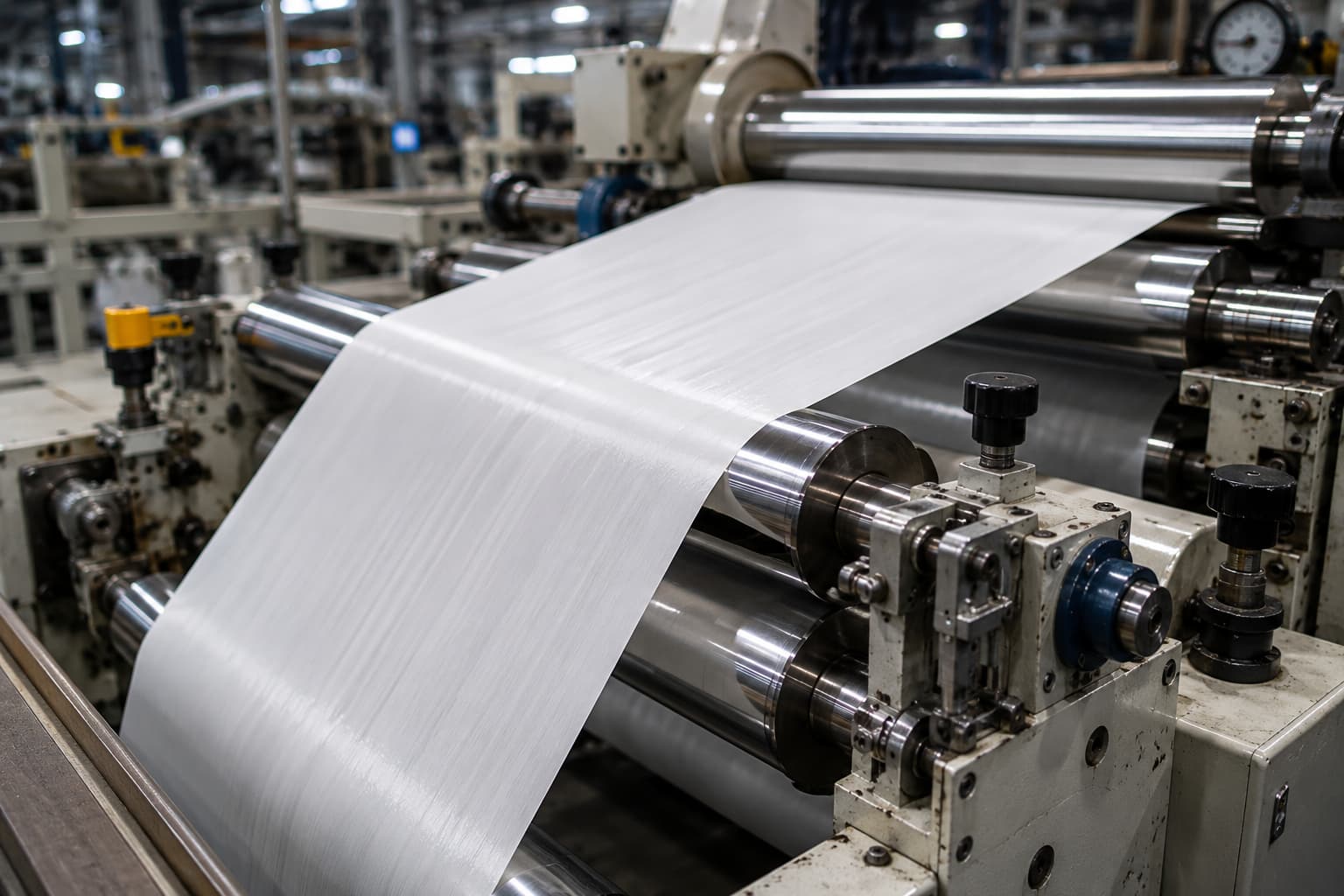
Bespoke Release Paper Solutions
Many industrial applications require release papers tailored to specific production environments, materials, or performance requirements.
Factors such as:
• coating weight
• substrate type
• release characteristics
• temperature exposure
• machine speed
• end-product application
can all influence the most suitable solution.
Working with an experienced release paper specialist helps ensure materials are selected and engineered appropriately for the intended manufacturing process.
Speak to Linwood Raker About Release Paper Solutions
At Linwood Raker, specialist release paper solutions are supplied for a wide range of industrial and food manufacturing applications. With extensive experience in silicone-coated papers, industrial converting, and bespoke release solutions, support can be provided for manufacturers seeking reliable, application-specific release paper performance.